Different Countries, Shared Questions
Reflections on Upshot's International Journey from our Head of Growth, Tobias Trombik
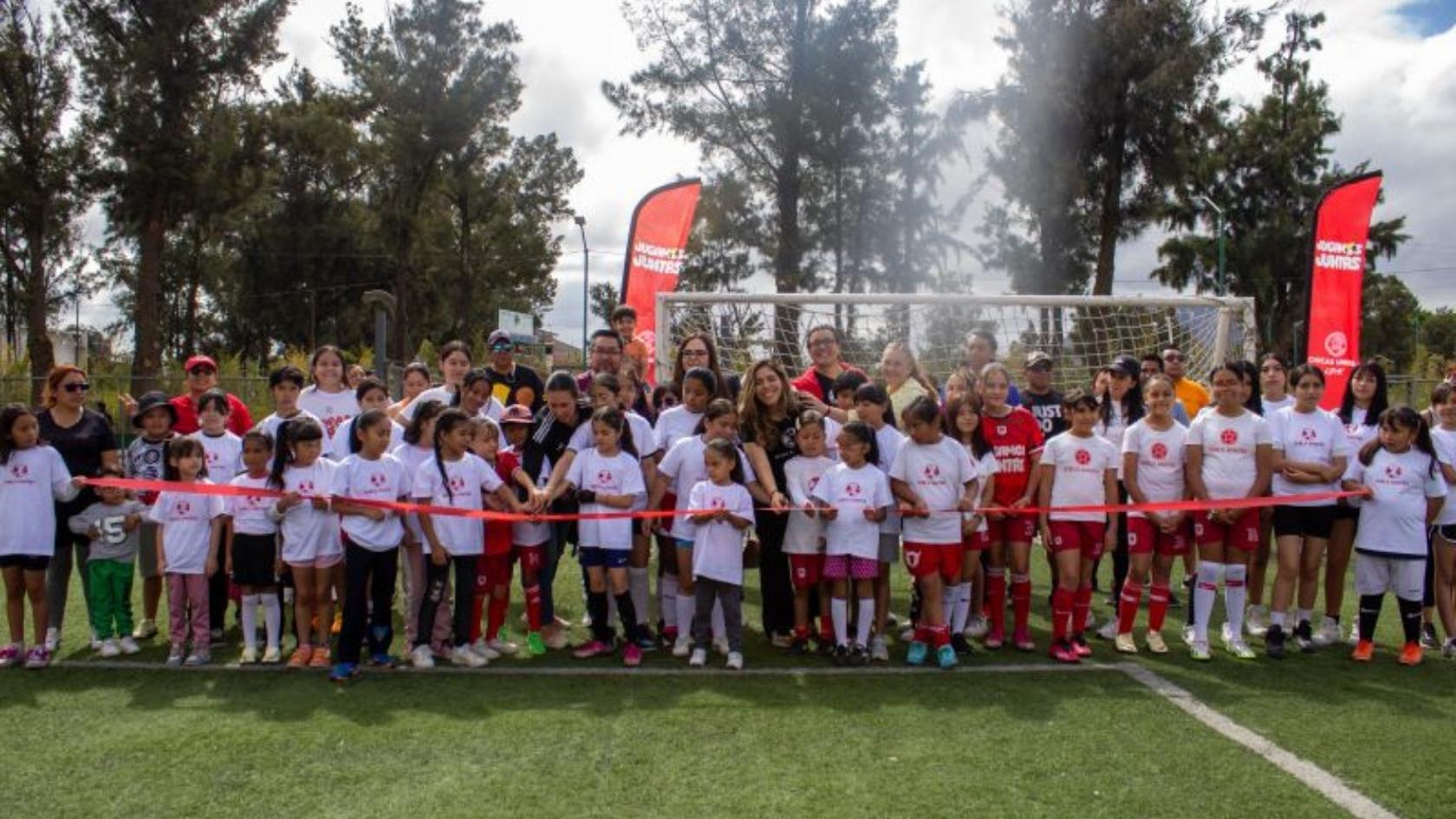
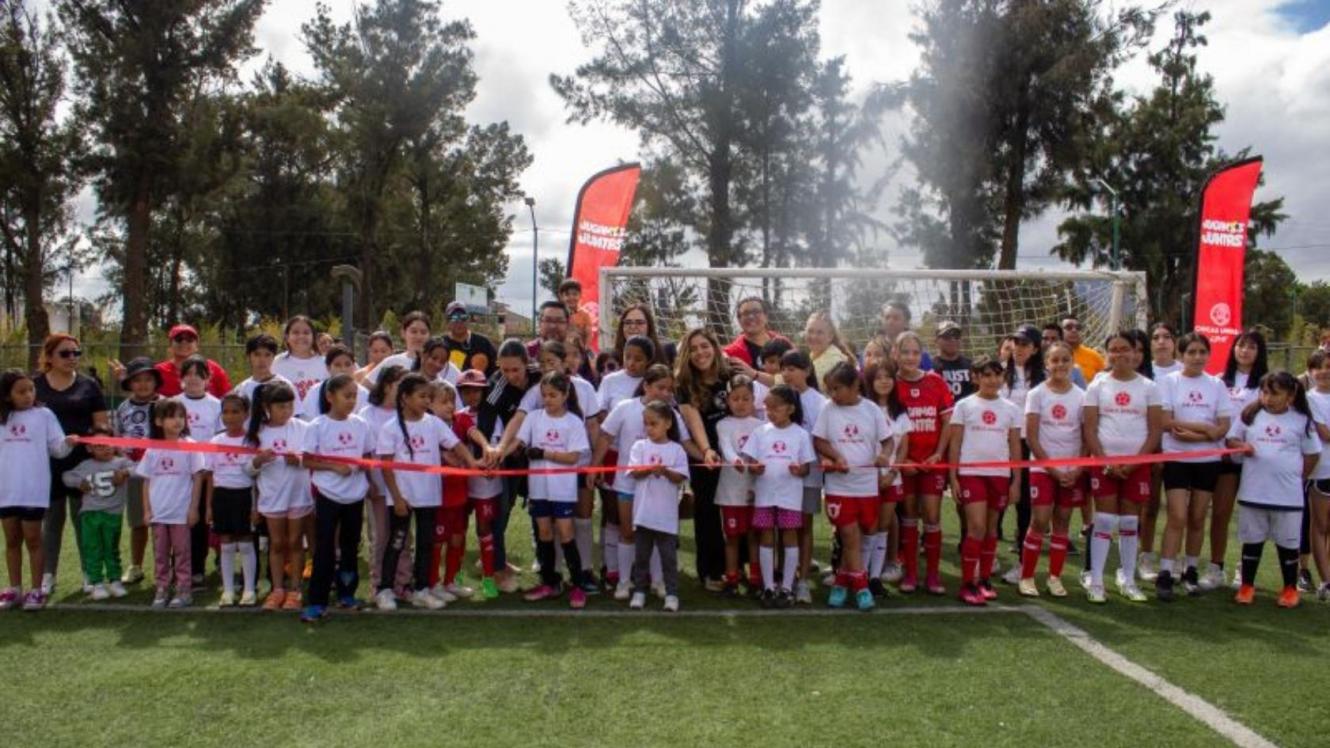
Upshot was first developed in the UK in 2012 by the Football Foundation and later established as an independent Community Interest Company (CIC).
Our goal was simple: help organisations collect better data, understand their impact and use evidence to improve the work they do. Today, that purpose remains unchanged. What has changed is the range of organisations, sectors and countries we are fortunate enough to work with.
Today, Upshot supports more than 1,800 organisations across a diverse range of sectors, including...
- Sport
- Youth work
- Education
- Health
- Housing
- Community development
And grant-making and corporate social impact programmes, with partners ranging from local charities to international foundations and professional sports organisations.
This isn't a story about global expansion for the sake of growth. As a social enterprise, we've always tried to grow alongside the sector we serve, driven by relationships, shared challenges and a collective desire to better understand how impact can be measured, evidenced and improved.
Growing Step by Step, Alongside the Sector
As a Community Interest Company (CIC), our approach to growth has always been shaped by purpose.
We do not see international expansion as simply entering new markets. We see it as becoming part of new conversations, learning from different organisations and contributing to a wider understanding of how impact can be measured, understood and improved.
That means taking things step by step and hand in hand. Rather than assuming we have all the answers, we try to listen, understand the context and work with organisations to develop approaches that are useful in practice: helping people collect meaningful data, understand what it tells them, and use those insights to improve their work.
In that sense, our journey mirrors that of many organisations themselves. Expectations around evidence, accountability and impact are growing everywhere. Organisations are being asked not only to show what they do, but to explain what difference they make and what they are learning along the way.
What We've Learned Crossing Borders
One of the biggest surprises has been how similar many of the underlying questions are, regardless of geography.
Whether we're working with a charity in the UK, a sports organisation in Europe, a community programme in Colombia, a foundation in South Africa or a youth-focused organisation in India, people are often trying to answer the same fundamental questions...
- Are we reaching the right people?
- Are our programmes making a difference?
- How can we improve?
- How do we demonstrate impact in a meaningful way?
What differs is the context.
We've encountered a wide range of practical, regulatory and cultural considerations that influence MEL (Monitoring, Evaluation & Learning) practice.
Language is one example. Upshot is now available in Spanish, Portuguese, Dutch, French and Welsh, with more coming soon. But internationalisation is about far more than translation. Language affects confidence, participation and accessibility, and understanding how people engage with data in different cultures is just as important as translating the words themselves.
Data protection has been another important learning area. While many European organisations operate within GDPR frameworks, other countries have different expectations around data ownership and sovereignty. In India, for example, some organisations prefer or require data to be hosted within the country, reflecting growing interest in how and where information is stored.
We've also learned not to take technology for granted. Some organisations operate in environments where connectivity is inconsistent, mobile data can be costly or project workers rely on shared devices. In rural locations, data is collected offline and uploaded later when internet access is available. In other settings, strict IT policies and security requirements influence software deployment.
South Africa has been a particularly interesting area of learning for us. Through our current implementation process with I AM WATER FOUNDATION, the Ocean for All Alliance, and a growing network of partners across the country, we've seen first-hand how organisations balance ambitious social impact goals with the realities of delivering programmes across diverse communities and geographies., It is an exciting area for future growth, combining the complexities of international development with increasingly sophisticated expectations around evidence, learning and accountability
These experiences have reinforced an important lesson: effective impact measurement isn't just about frameworks and indicators. It needs to work within the realities of the organisations collecting the data.


Building Upshot With Our Clients
We have also re-emphasised our belief that innovation rarely happens in isolation.
Many of the features available in Upshot today originated from client conversations, operational challenges or emerging reporting needs, with developments requested by individual organisations and others designed collaboratively with clients facing similar issues.
This co-development approach has been part of Upshot's DNA from the beginning. Not building functionality based solely on what we think organisations need, we try to develop solutions that respond to real-world challenges.
As our client base has become more international, the diversity of ideas and perspectives influencing the platform has also grown. A reporting challenge faced by a funder may inspire a solution that benefits a sports league. An enhancement requested by a charity may help organisations in entirely different sectors. A requirement in one country may help shape functionality elsewhere.
It means we are constantly learning from a broad community of practitioners, which continues to shape both our platform and our consultancy services.
Beyond Software: Learning Through MEL
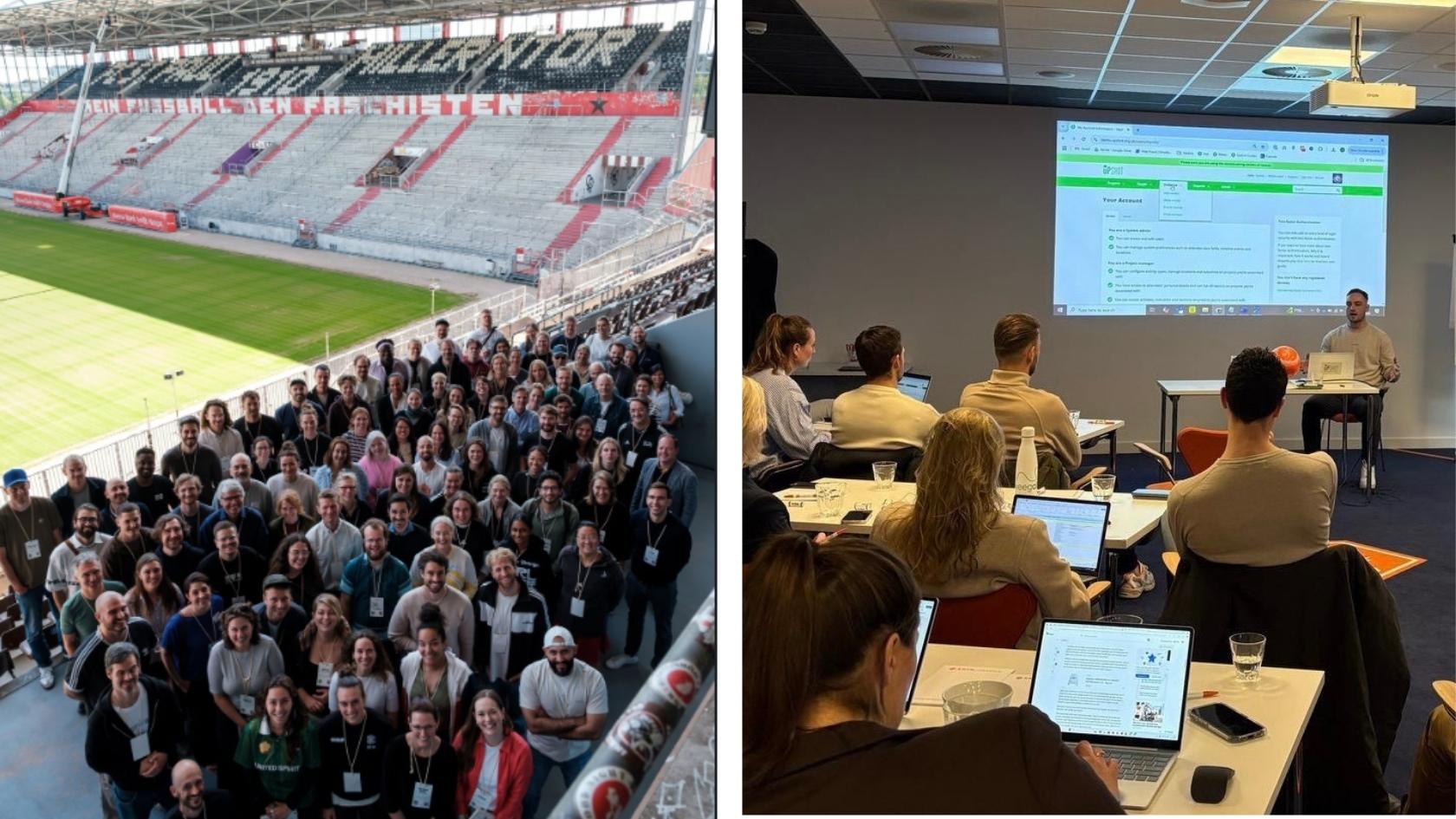
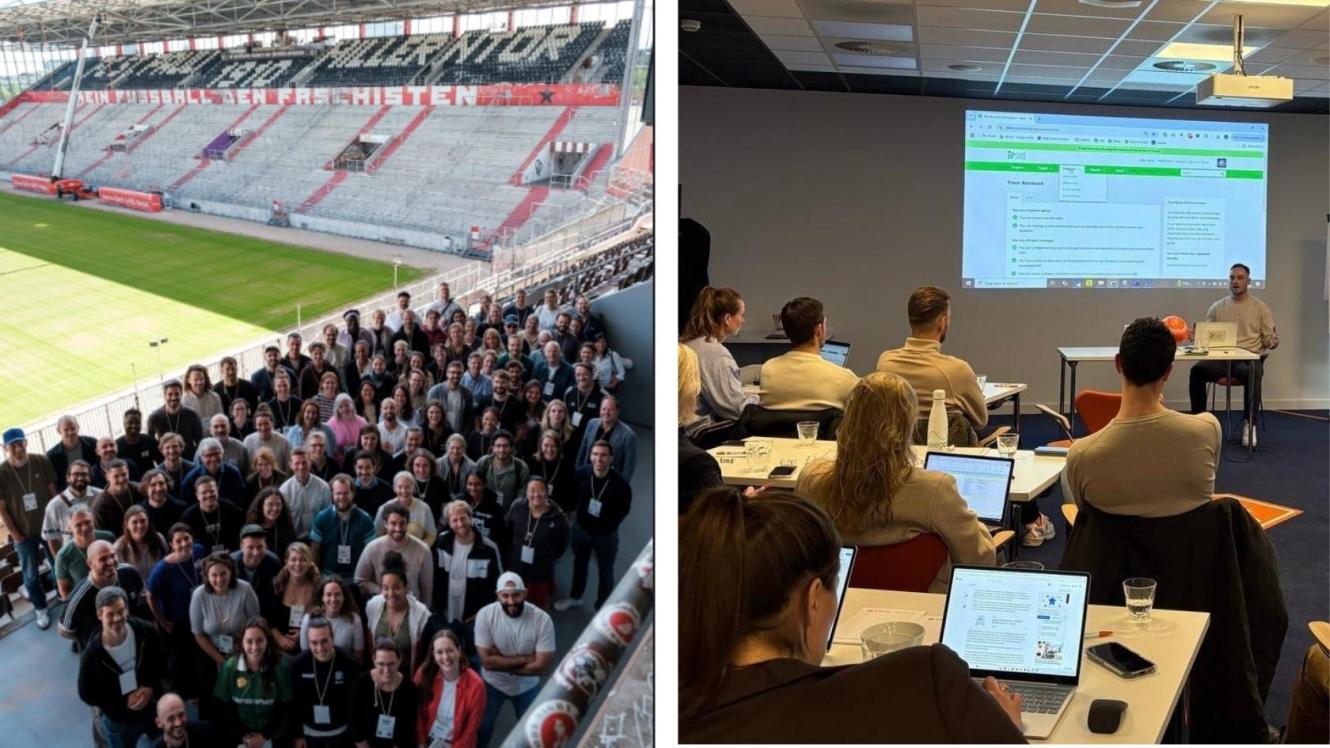
While Upshot is often best known as a platform, our international work has reinforced the value of the wider services we provide around MEL.
Alongside the system itself, we work with organisations on impact frameworks, theories of change, reporting approaches, MEL capacity-building, data analysis and learning processes.
Examples include:
Creating dashboards which visualise data across multiple countries - Soccer Without Borders.
Developing a framework that brings consistency; but represents input from diverse partners across South East Asia - with Alliance of Sport in Criminal Justice, Agence Française de développement (AFD) and the International Olympic Committee
Practical and thought-provoking workshops helping organisations better understand and share best practice (MEL) Monitoring, Evaluation & Learning with Sport for Refugee Coalition through the Olympic Refuge Foundation.
Working with individual donors in the US to develop “Giving Compasses” that help align giving with values, evidence and long-term social impact.
These organisations operate in very different environments and serve different audiences, but all share a desire to better understand, evidence and improve the impact they are creating.
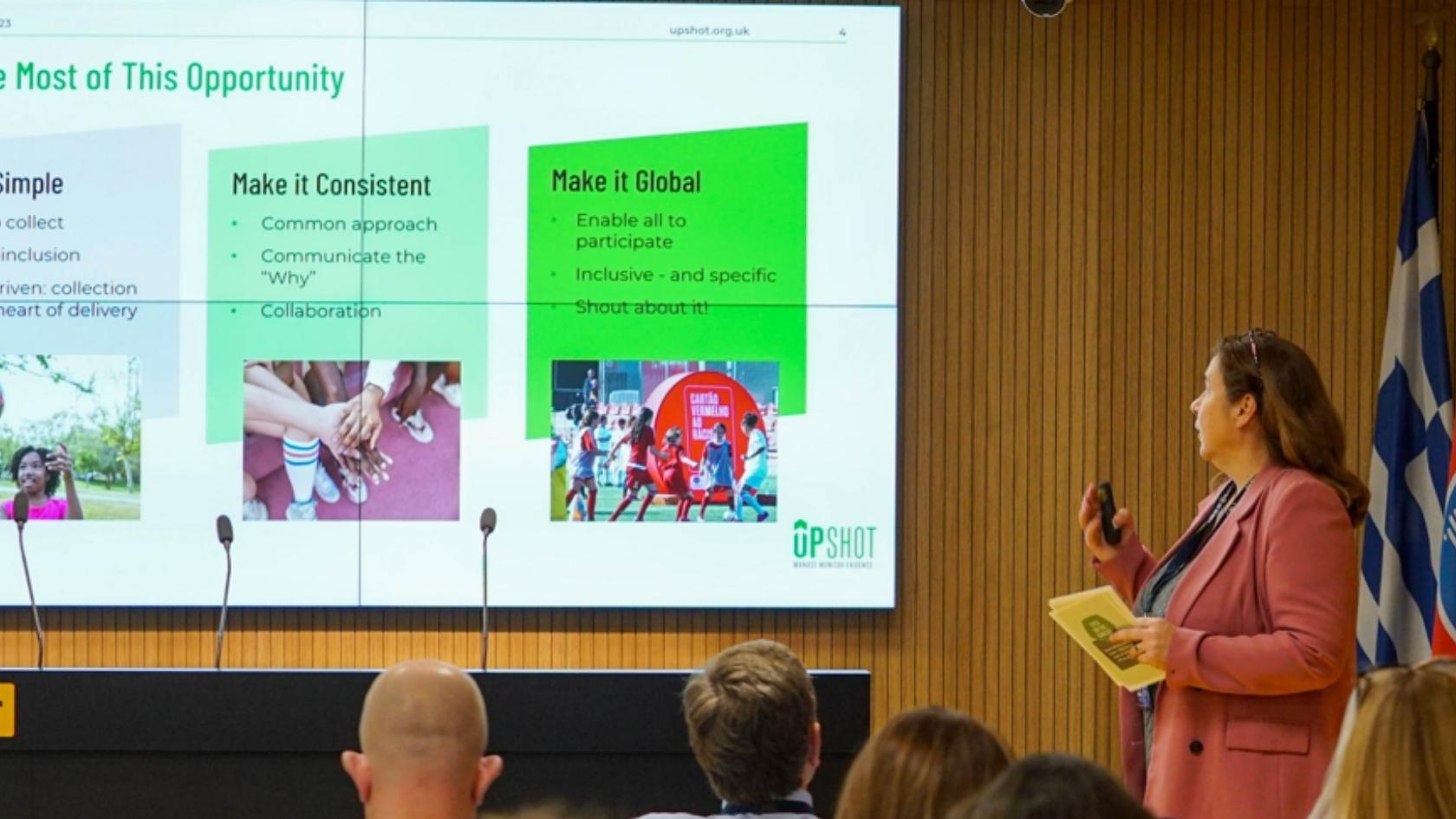
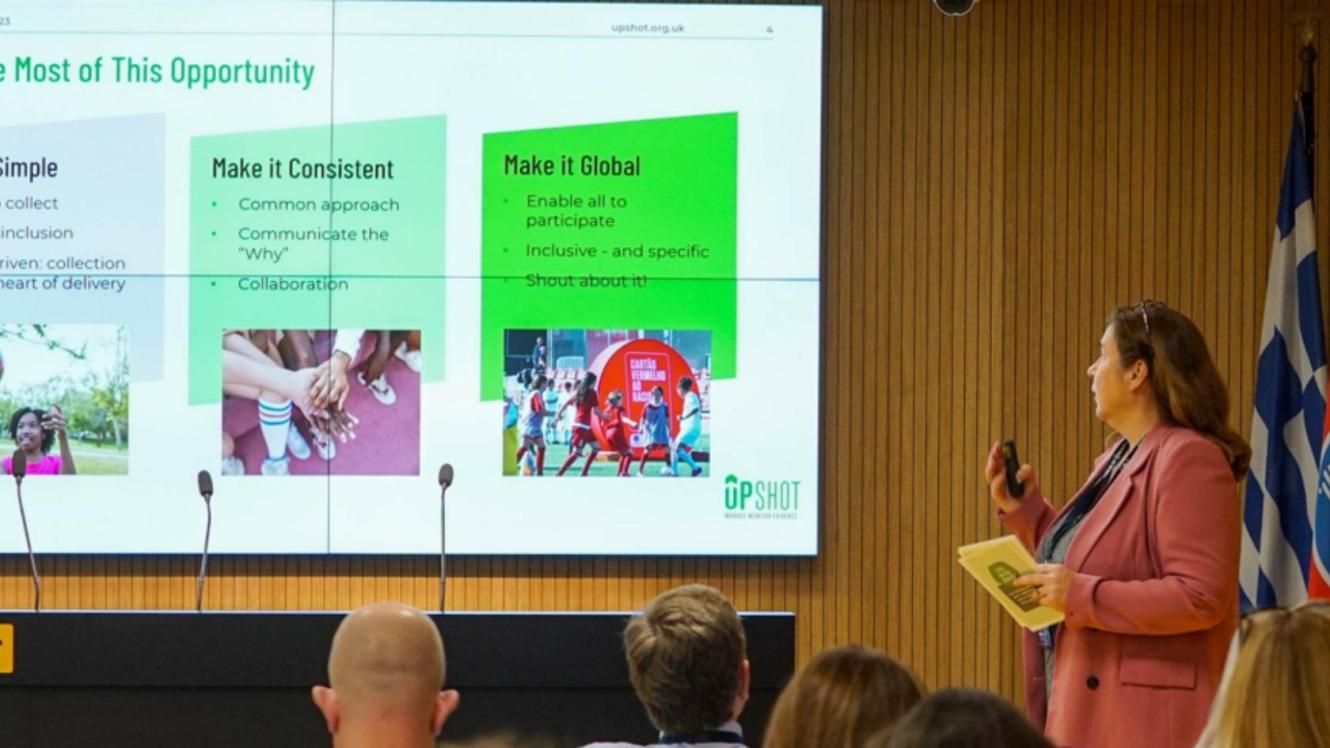
Looking Ahead
In each region, funders are looking for stronger evidence of impact. Companies are investing more in CSR (Corporate Social Responsibility), ESG (Environmental, Social & Governance) and social impact programmes. Foundations, governing bodies and professional sports organisations are increasingly being asked to demonstrate long-term social value and meaningful outcomes.
While the context may differ, the underlying challenge remains remarkably consistent: how do we move beyond collecting data and use evidence to drive better decisions, better programmes and better outcomes?
Sport continues to play an important role in our story. From our origins within the Football Foundation to our work with organisations such as Eredivisie, Girls United, Rugby for Good, Tackle Africa, Oscar Foundation we remain passionate about the role sport can play in creating positive social change.
As a Community Interest Company, we will continue approaching growth in the same way we always have: collaboratively, purposefully and alongside the organisations we support.
We're proud of how far we've come, but we still see ourselves as at the beginning of this journey. Every new partnership teaches us something. Every new country challenges our assumptions. Every new sector offers a different perspective.
For us, international growth is about joining new conversations, learning from different experiences and contributing to a global community that is working to better understand and improve social impact.
Ultimately, our international journey has reinforced something we've believed from the beginning: good MEL is about people, not just data. The countries, sectors and organisations may vary, but the desire to create meaningful change is universal.
We're excited to continue learning alongside partners around the world and to see where those conversations take us next.
Let's Continue the Conversation
We're always interested in connecting with organisations that are thinking seriously about impact, evidence and learning.
The best ideas often come from shared conversations.
If you'd like to explore how organisations in different sectors and countries are approaching MEL, get in touch with the Upshot team. We're always happy to exchange ideas, share experiences and learn from new perspectives.